01
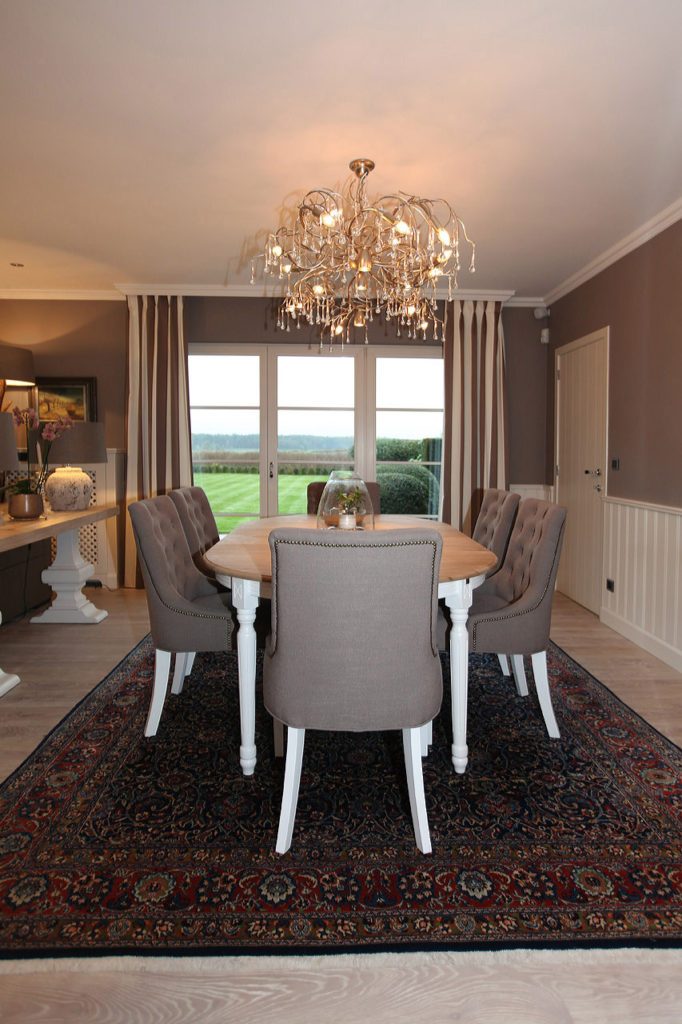
Dining room
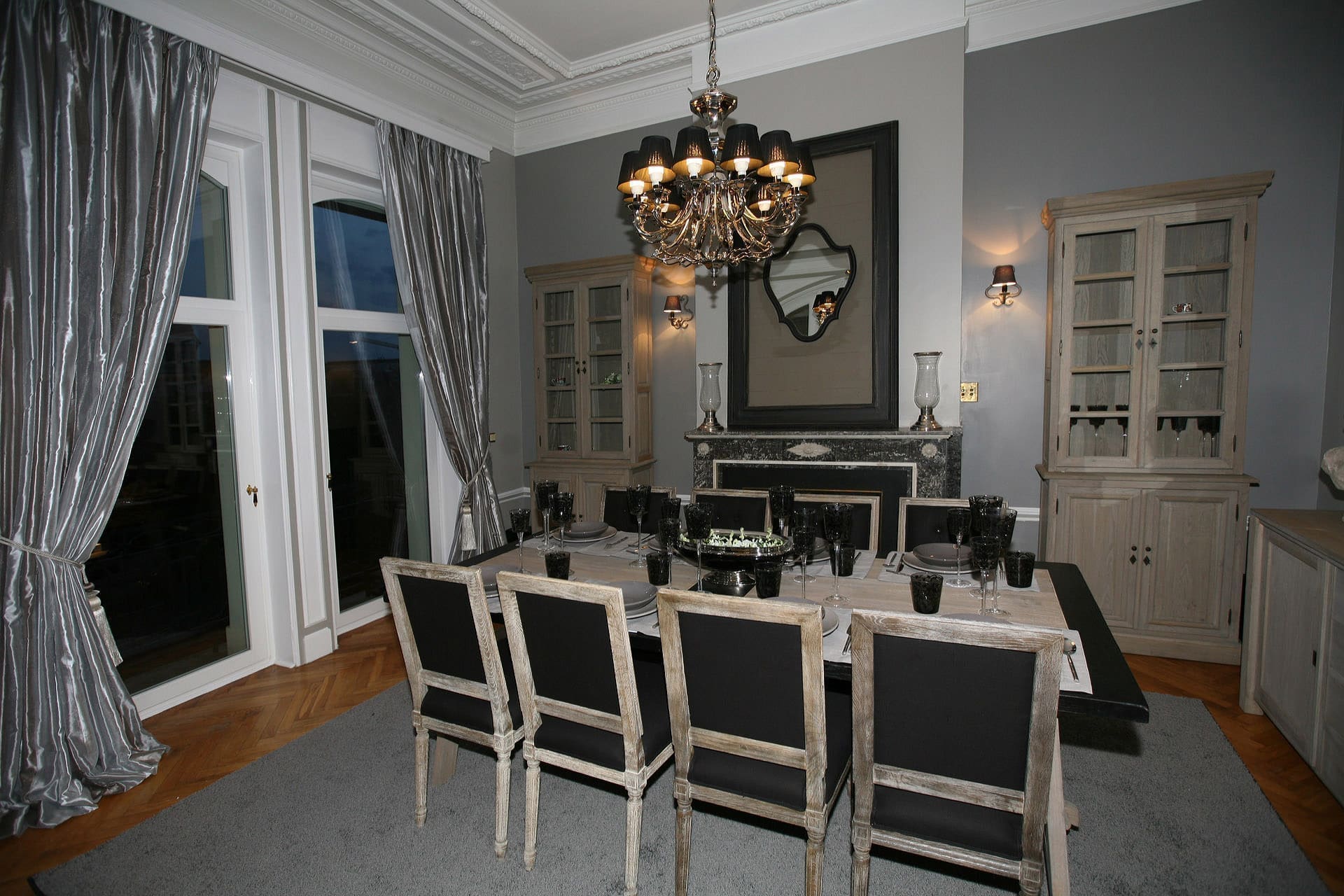
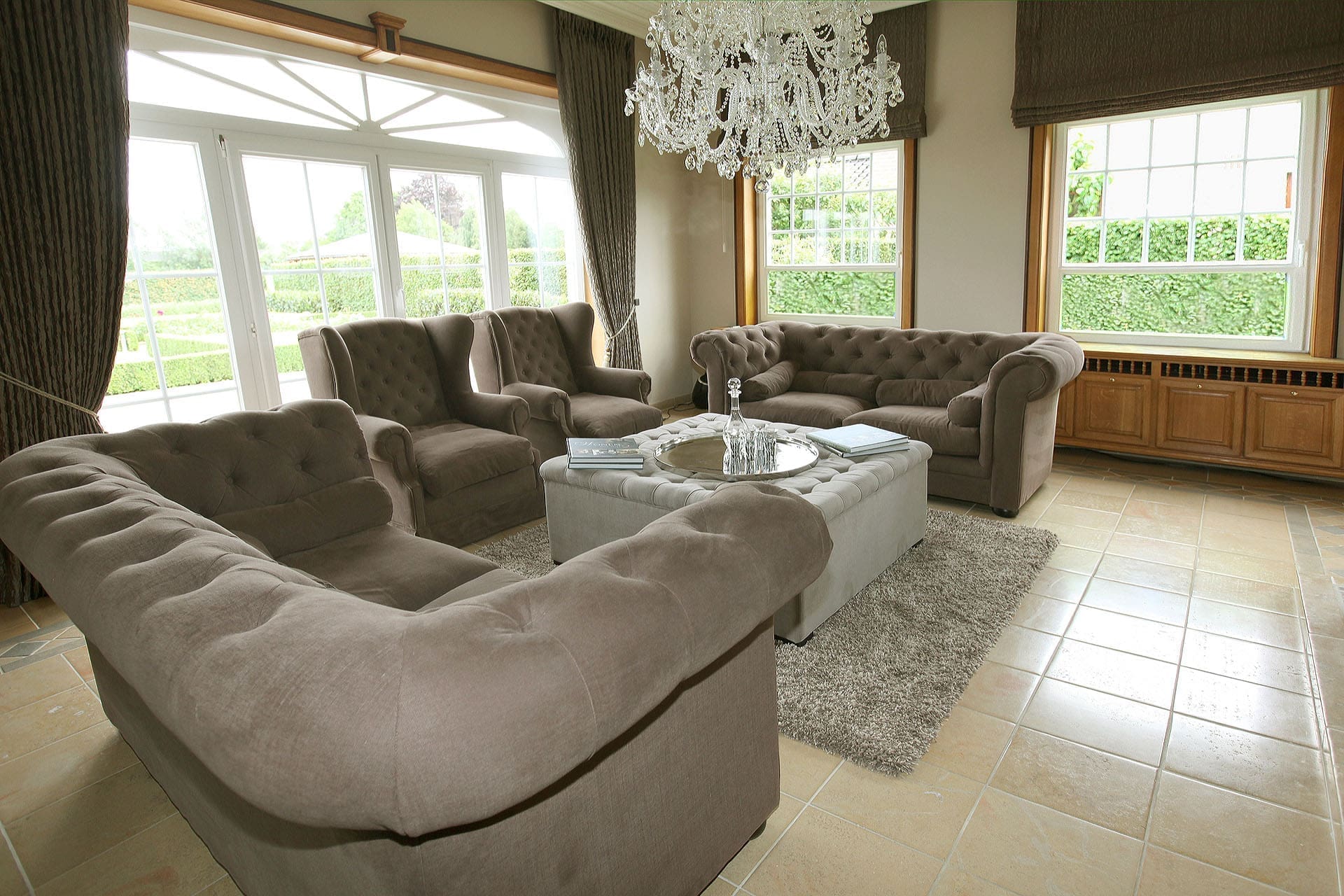
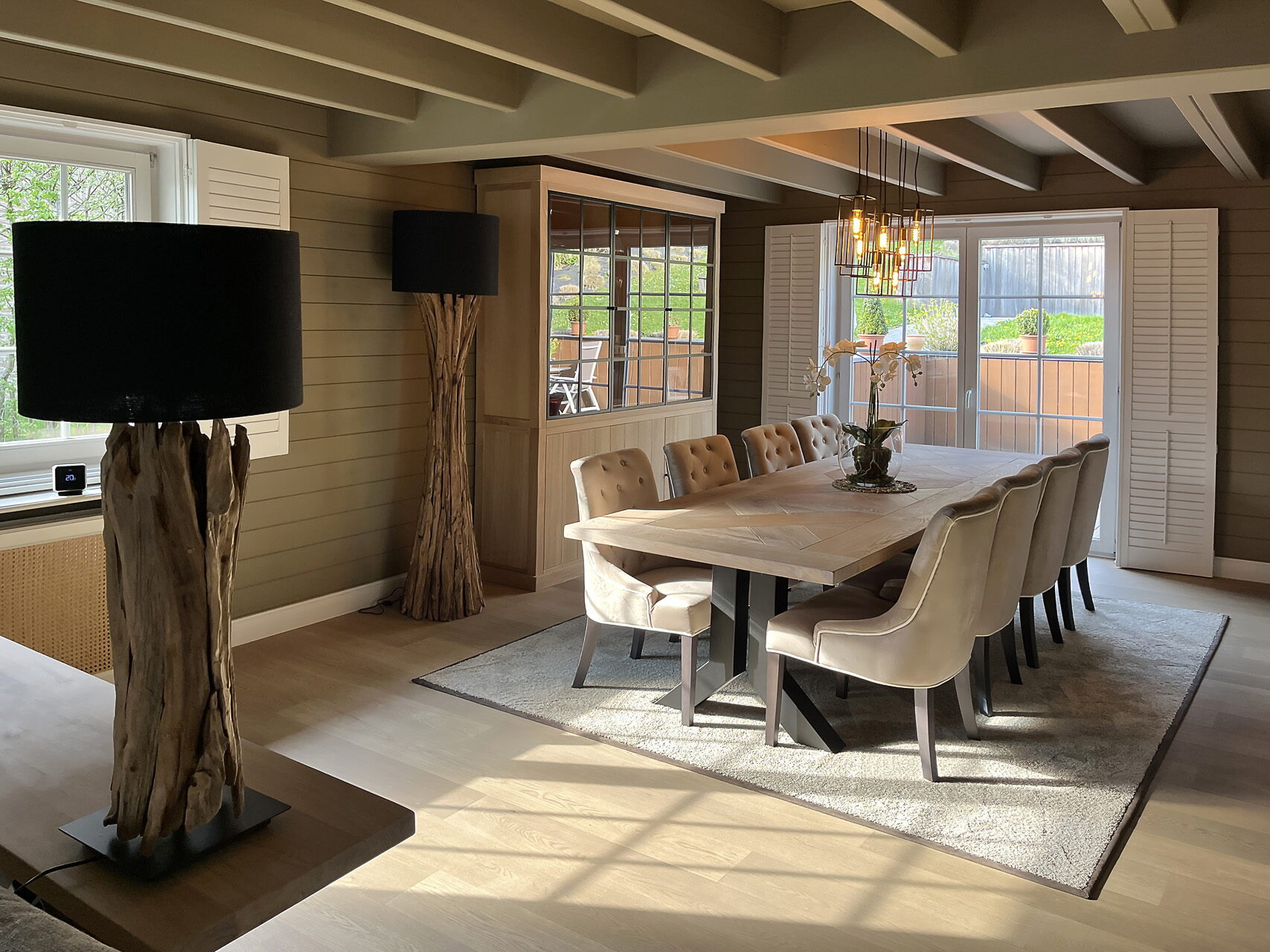
The room where classic is strongest: one long table, a chandelier at the centre, display cabinets in line.
- Chandelier on the table axis
- Cabinets equal width left and right
- Upholstered chairs soften the sound


Classic interior
Classic only works when the proportions are right. We draw panelling, cabinetry and upholstery in one line, from town house to embassy.
Ask for a guide price →01/ 3
How to spot classic work
A classic interior holds few surprises and a great many proportions. The height of the panelling, the width of the cornice, the position of the chandelier: if one of them is off, the whole room feels askew even though you couldn't say why.
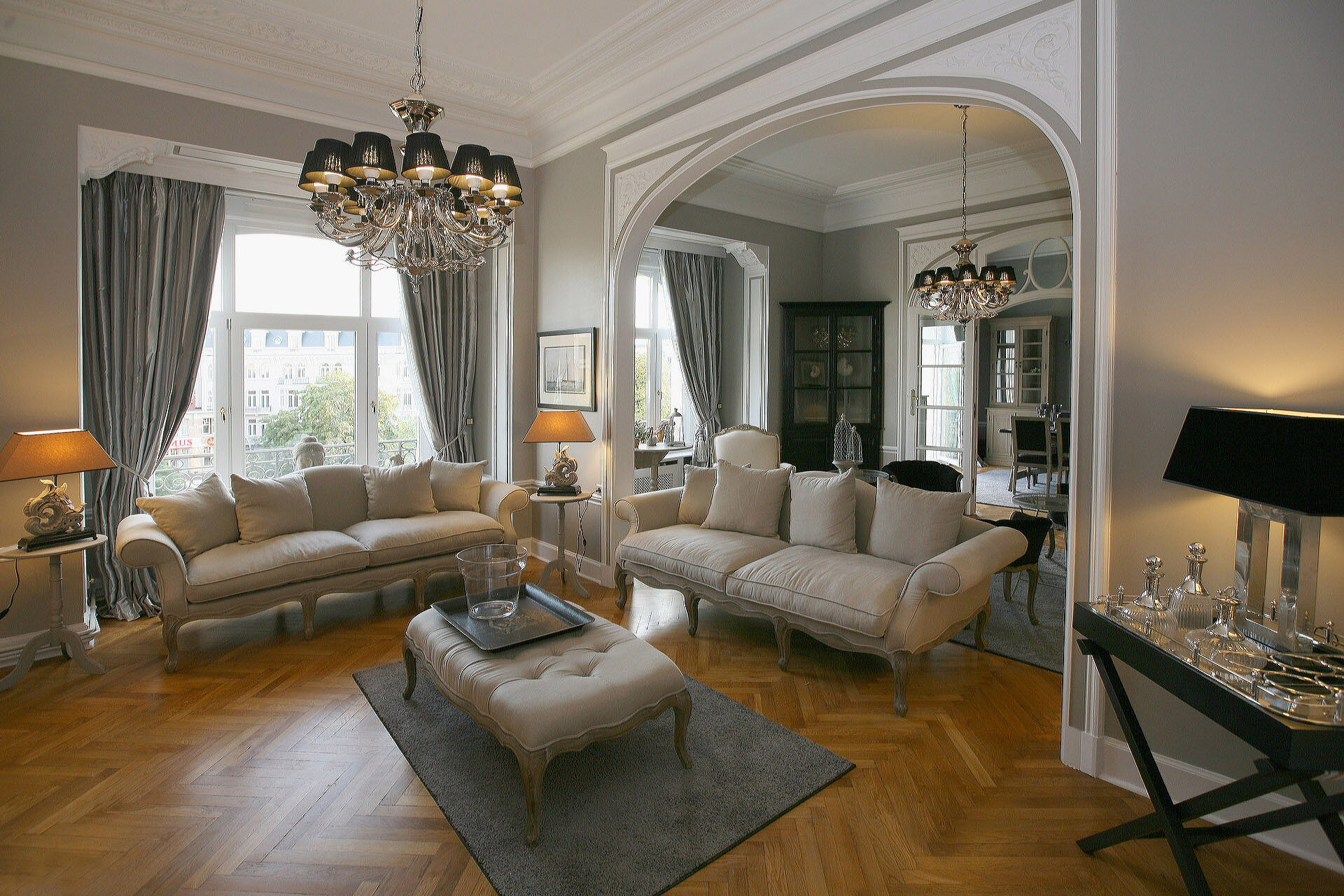
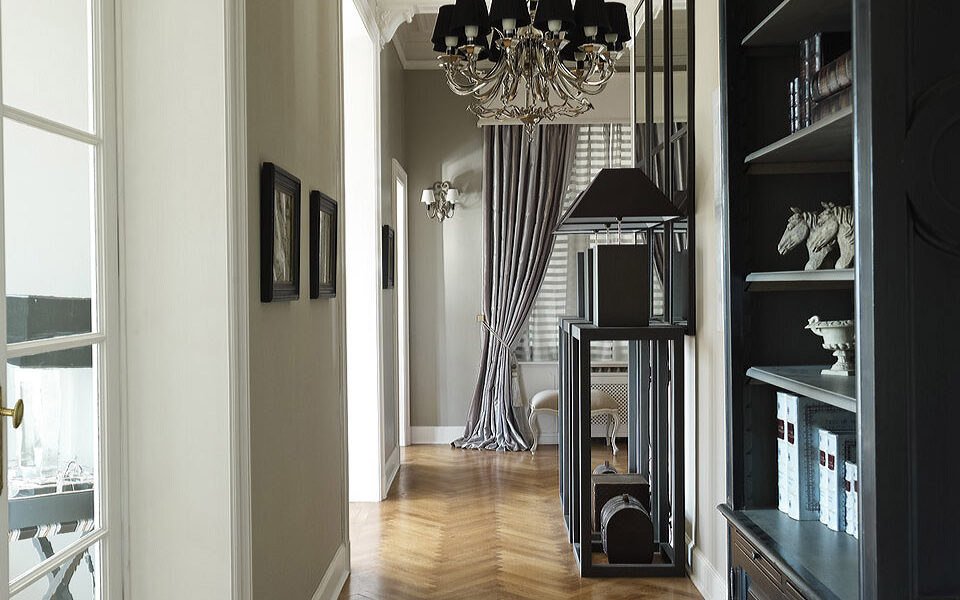
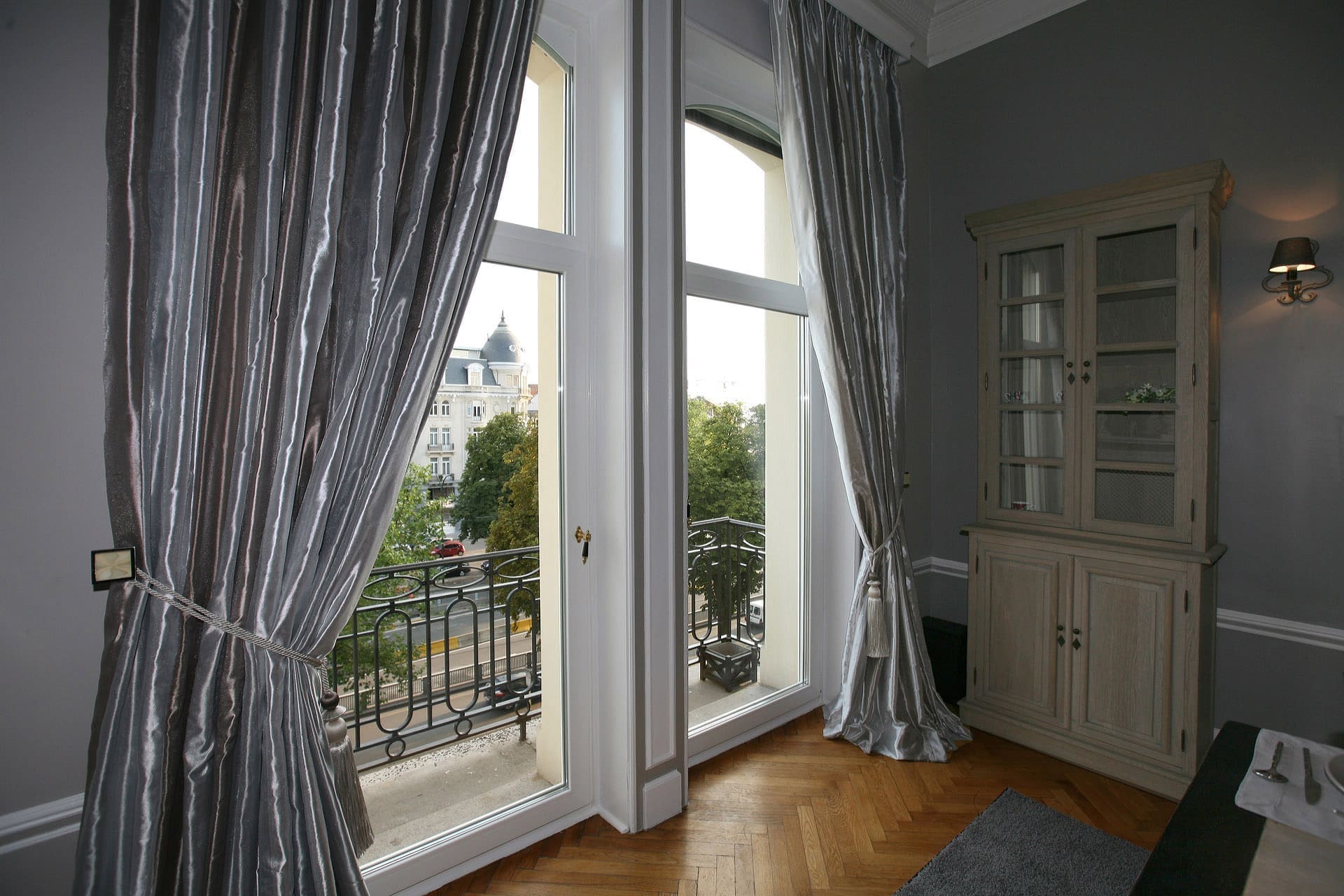
So we work symmetrically around a central axis: the fireplace, the window or the doorway. Cabinets of equal width left and right, lighting in pairs, curtains to the floor.
Fronts and profiles
In classic work the front is not a detail but the carrier of the style. These are the four we draw most.
In the spotlight
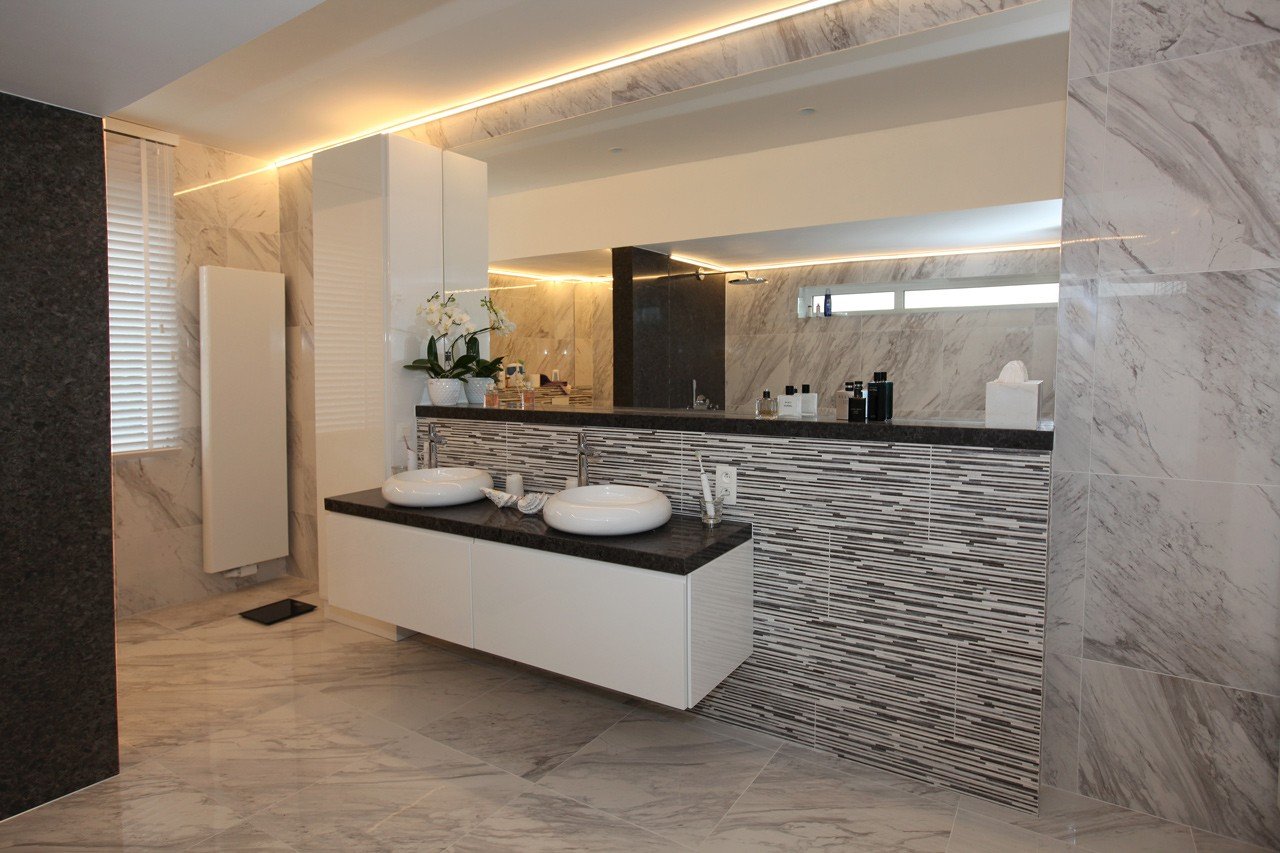
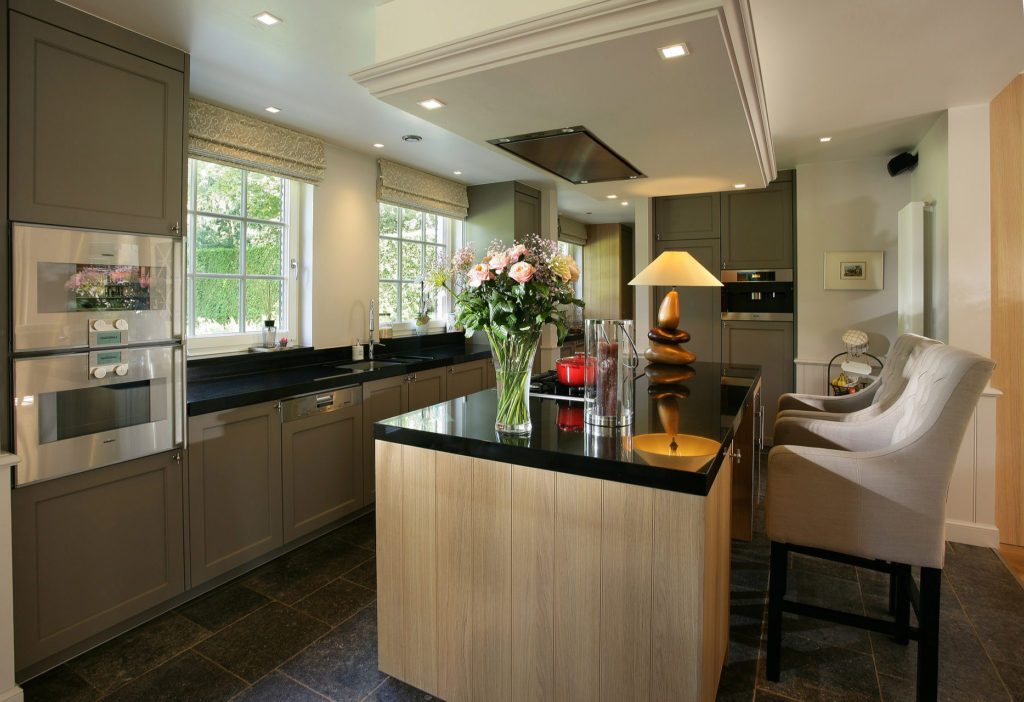
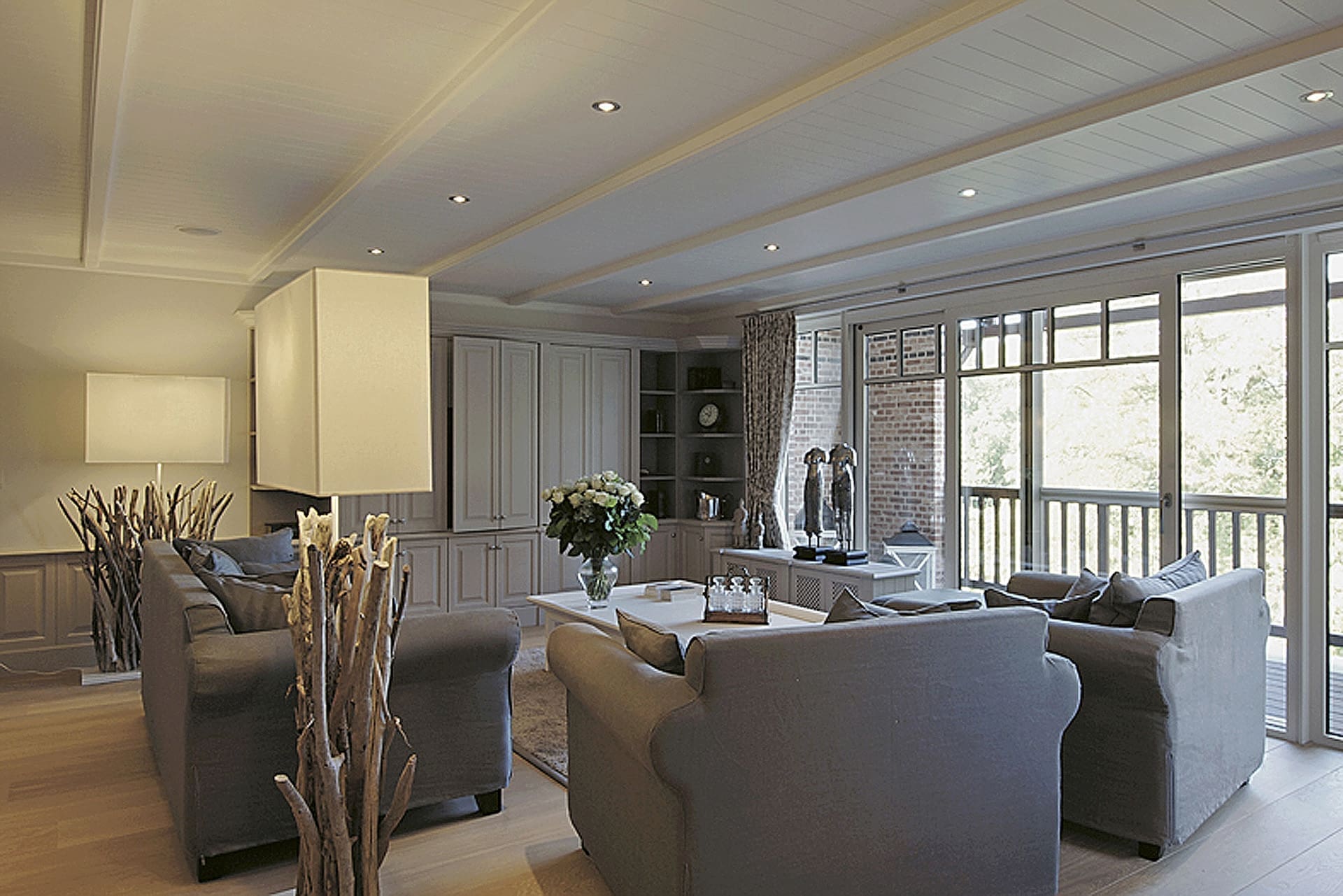
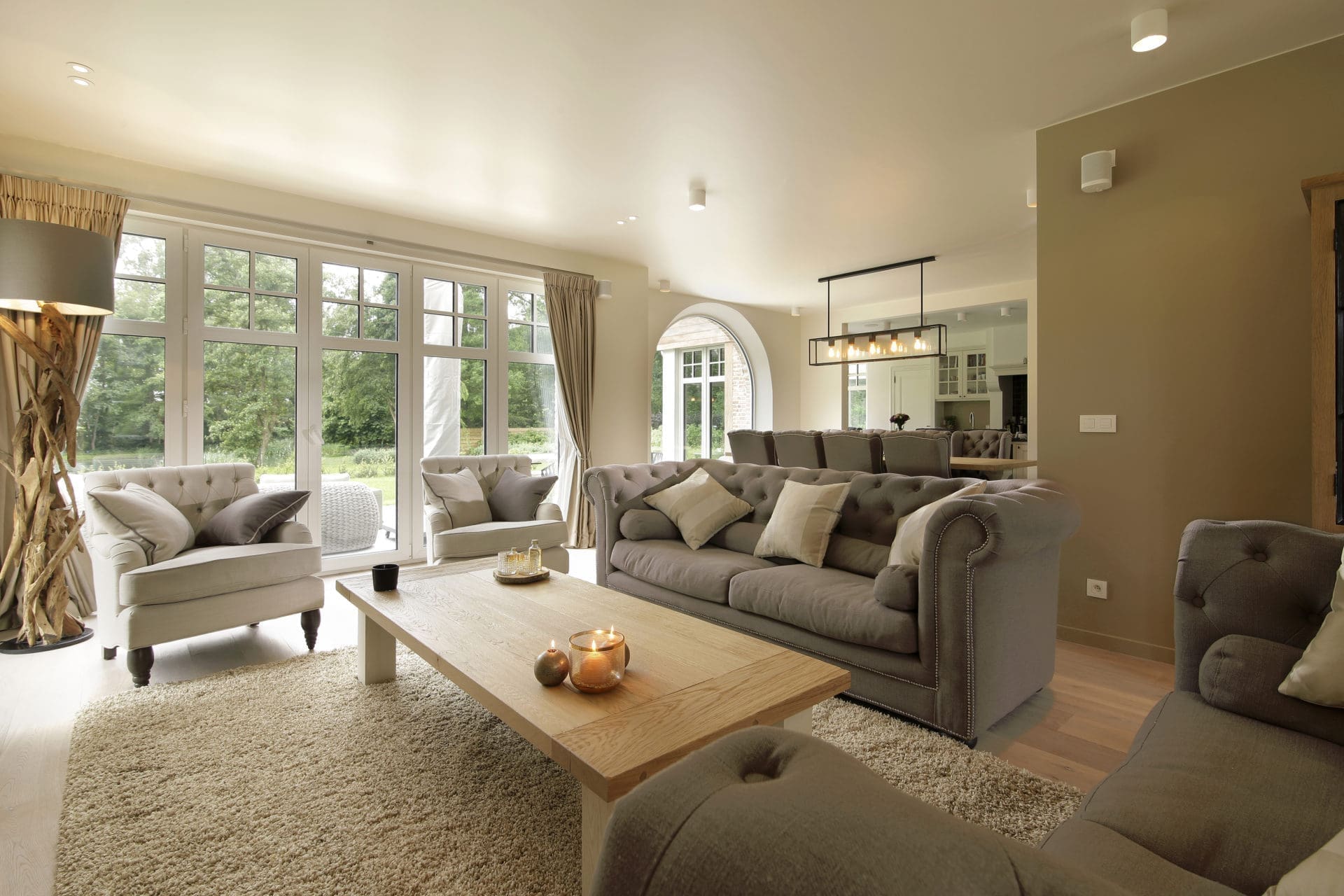
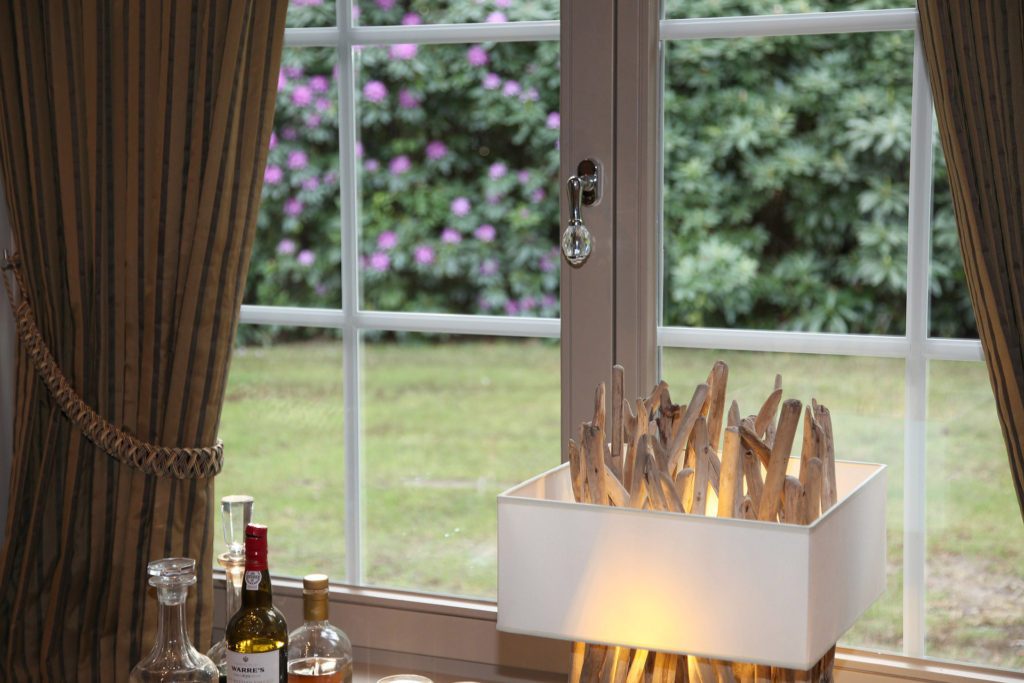
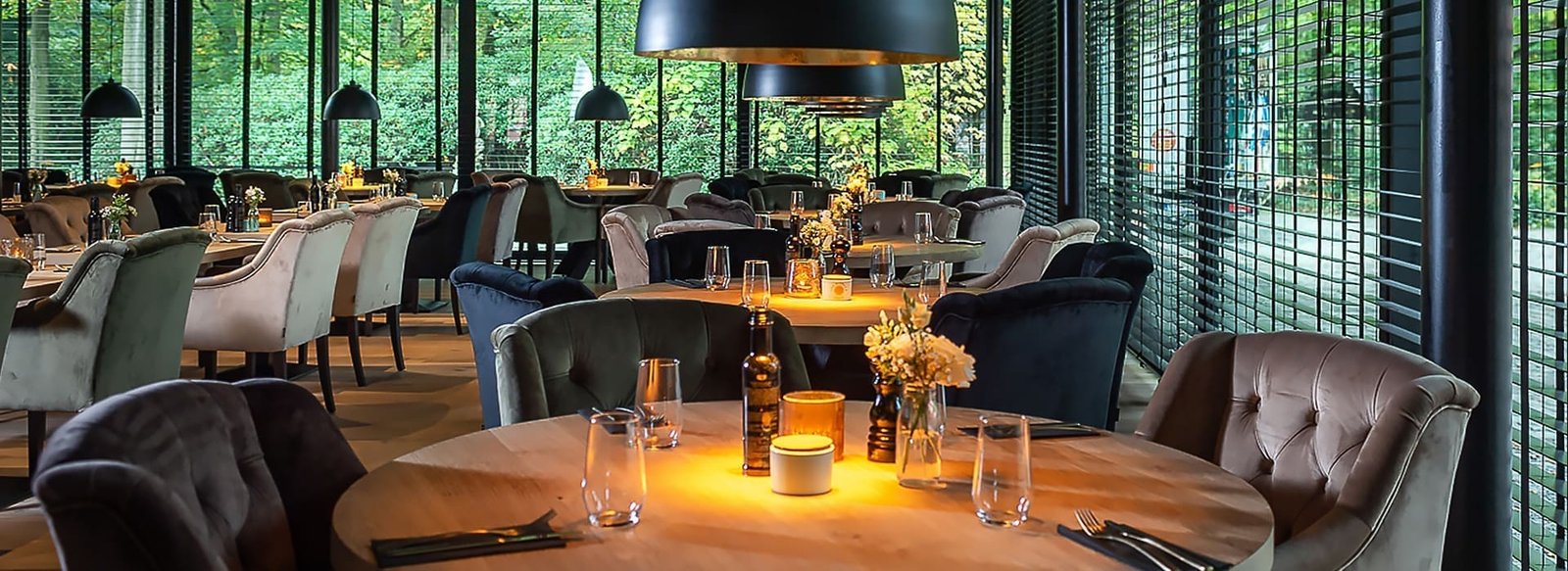
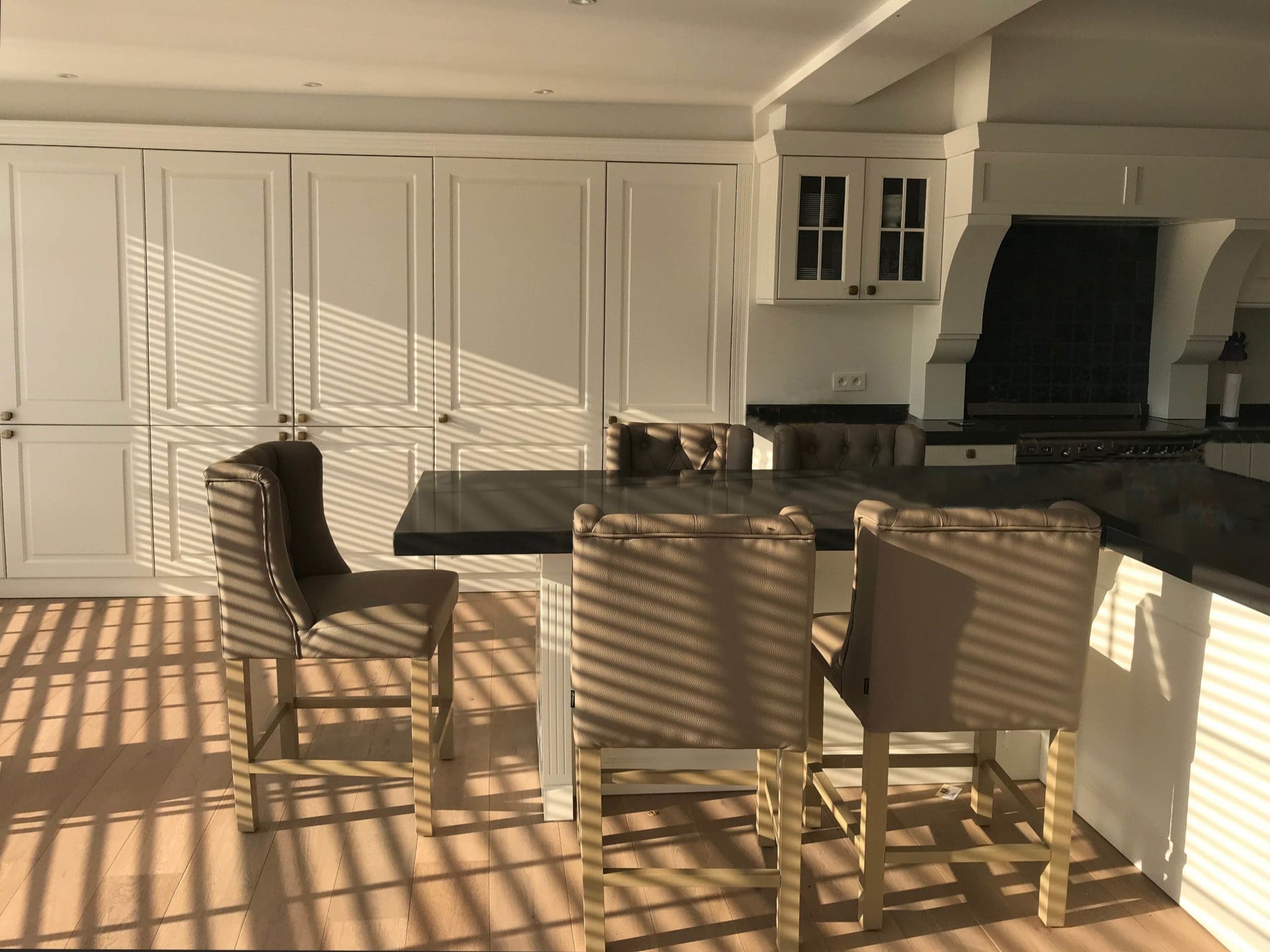
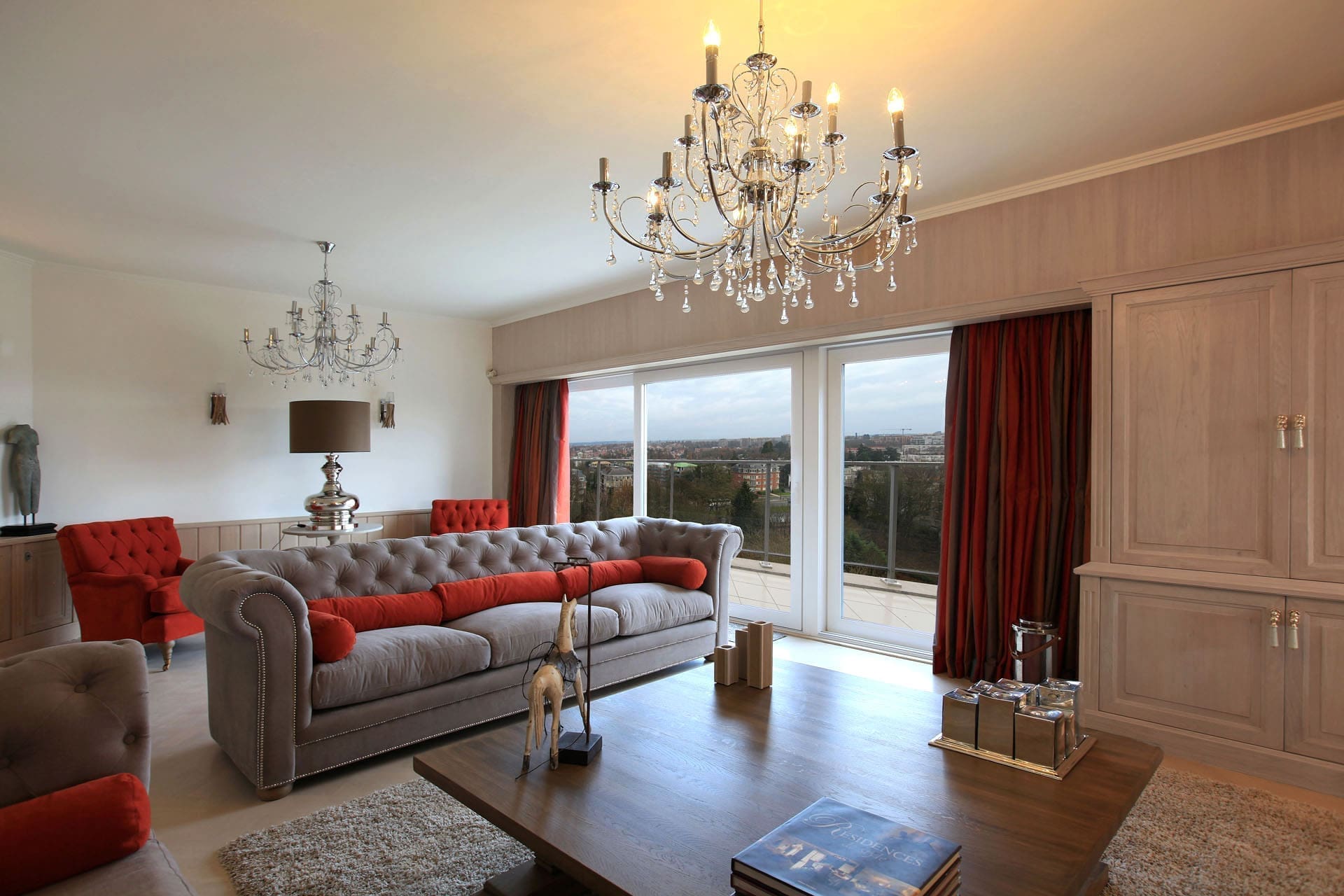
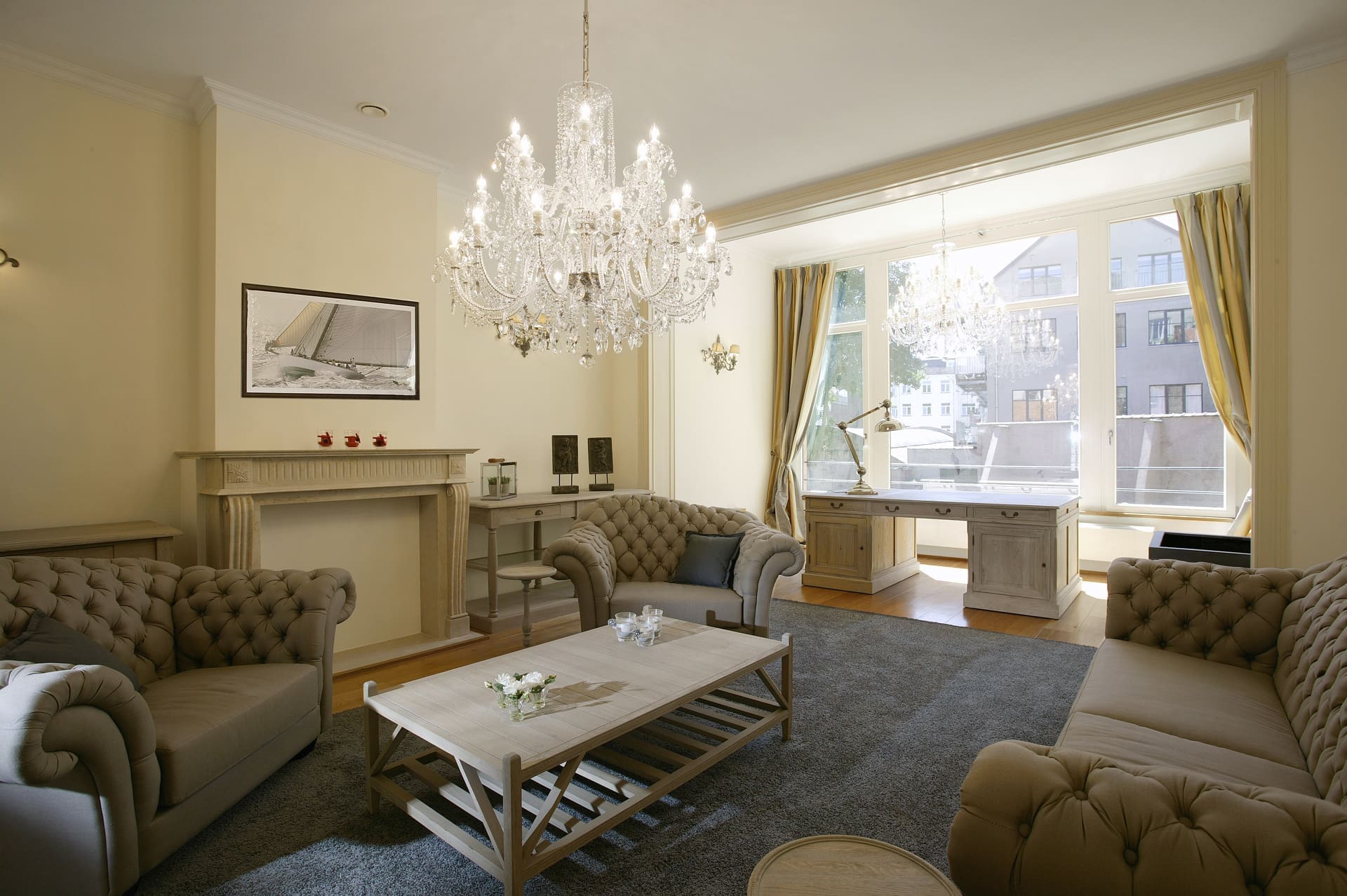
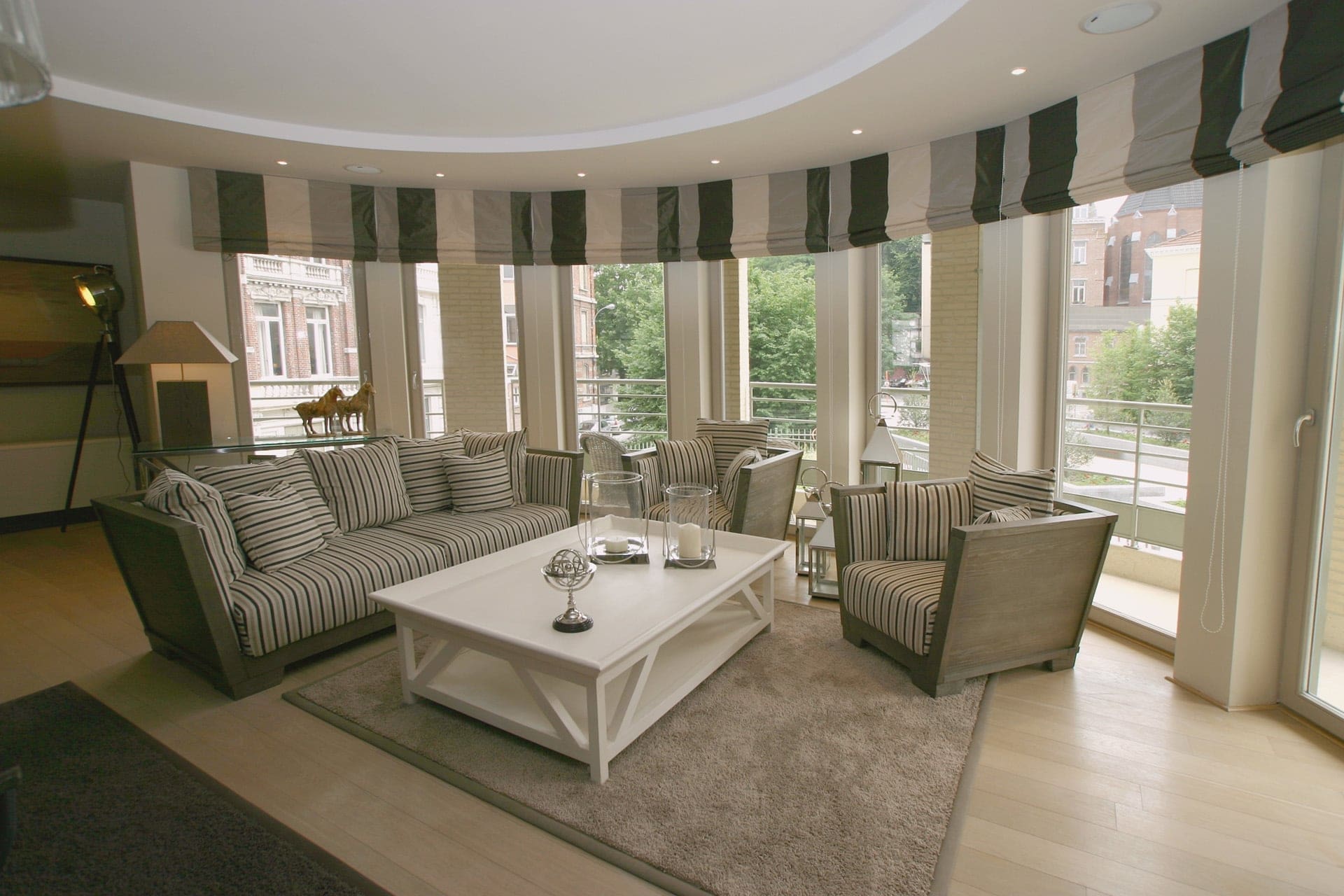
A cross-section of what we have furnished over the past years, from country house to penthouse. Hover over the series to stop it, or drag it along yourself.







Material and finish
Classic fronts are often lacquered: in off-white, deep grey or near black. We also work with solid timber, veneer and melamine, depending on where the front sits and what it has to take.
We set the lacquer matt or lightly satin. High gloss we rarely do: it shows every imperfection and suits contemporary work better than a profiled front.
The profile work itself comes from our own workshop, so the moulding around a door matches the one around the cabinetry beside it.
Room by room
01
The room where classic is strongest: one long table, a chandelier at the centre, display cabinets in line.
02
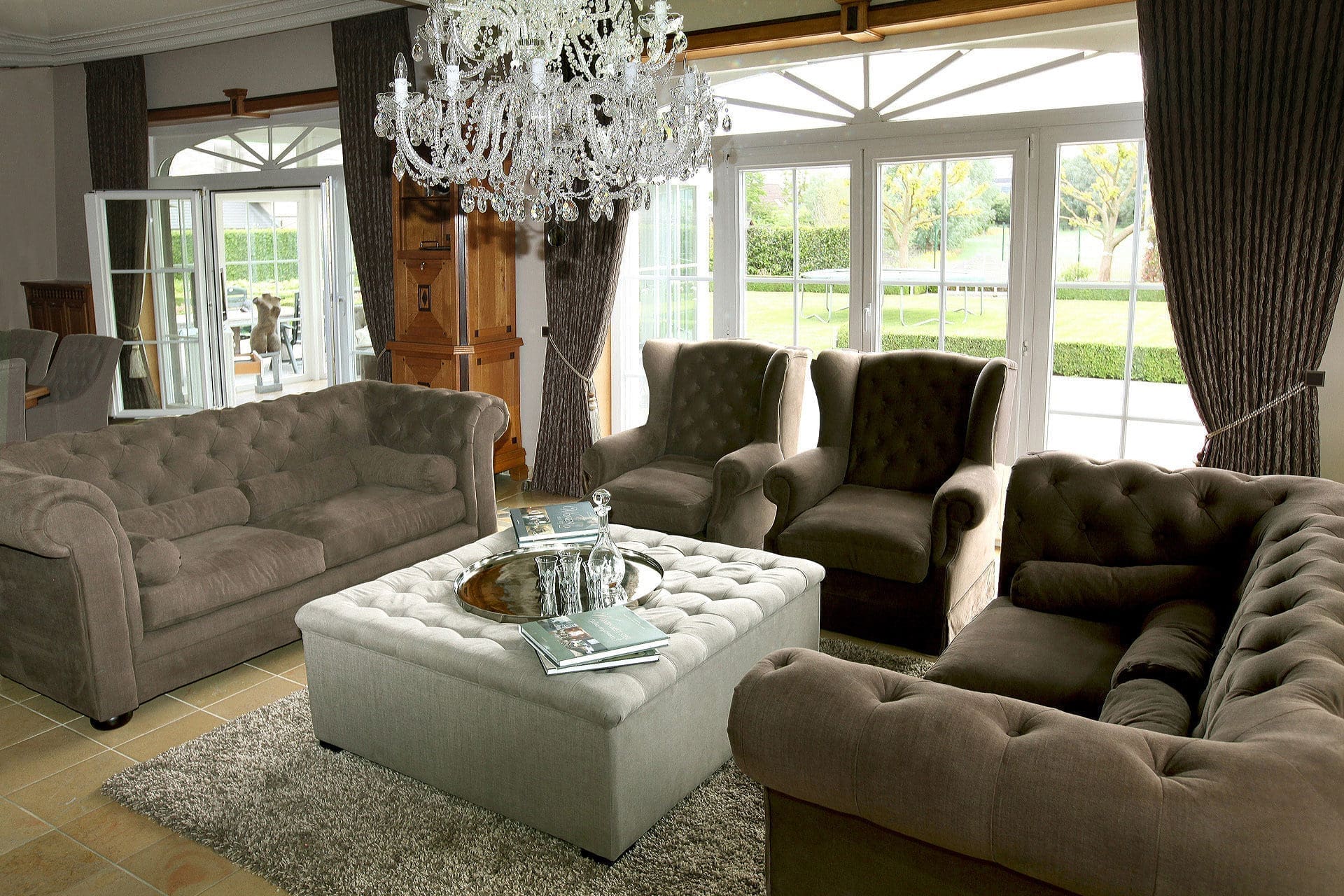
Seating around the fireplace or window, never against every wall.
03
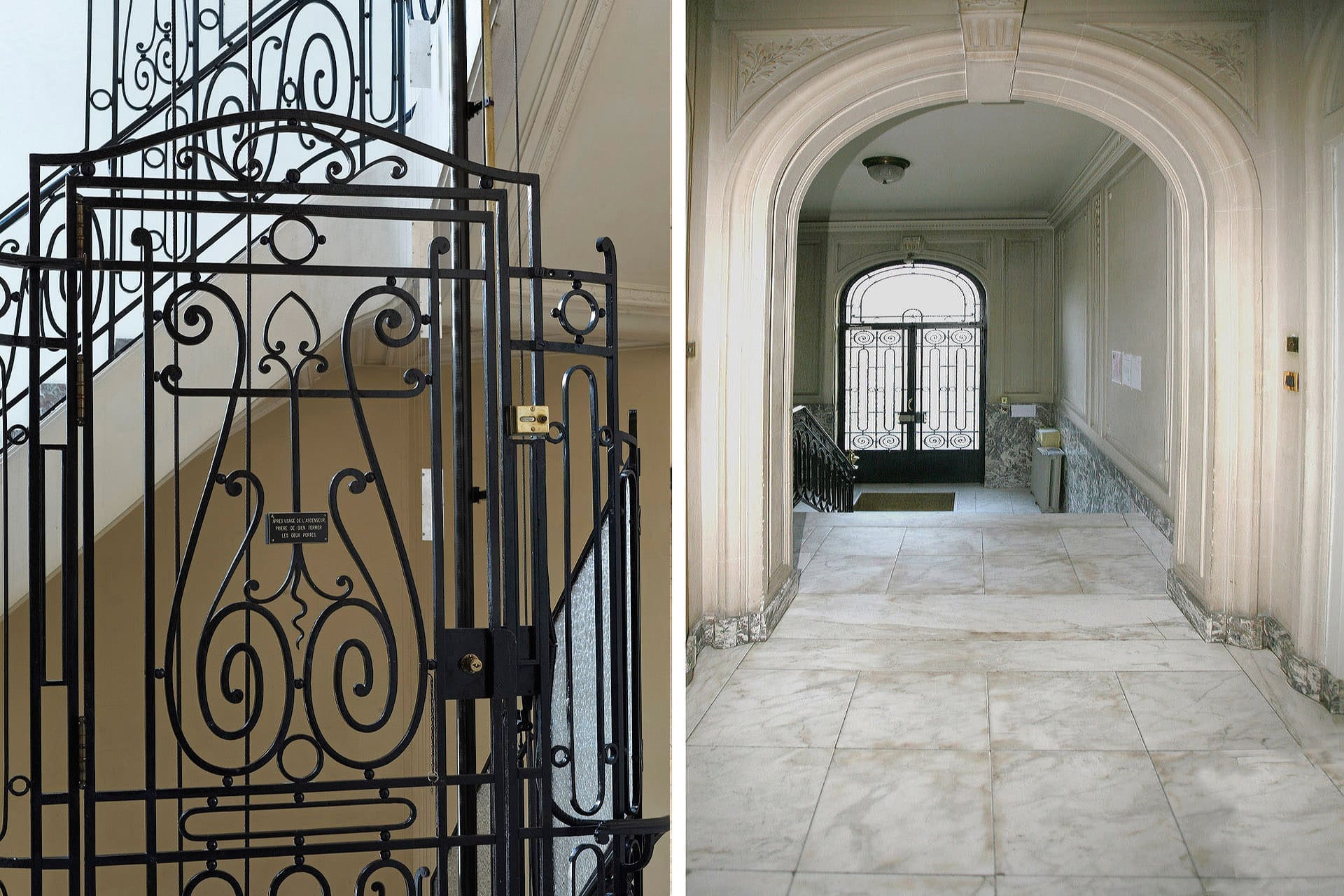
The first impression, and the place where the profile work shows itself.
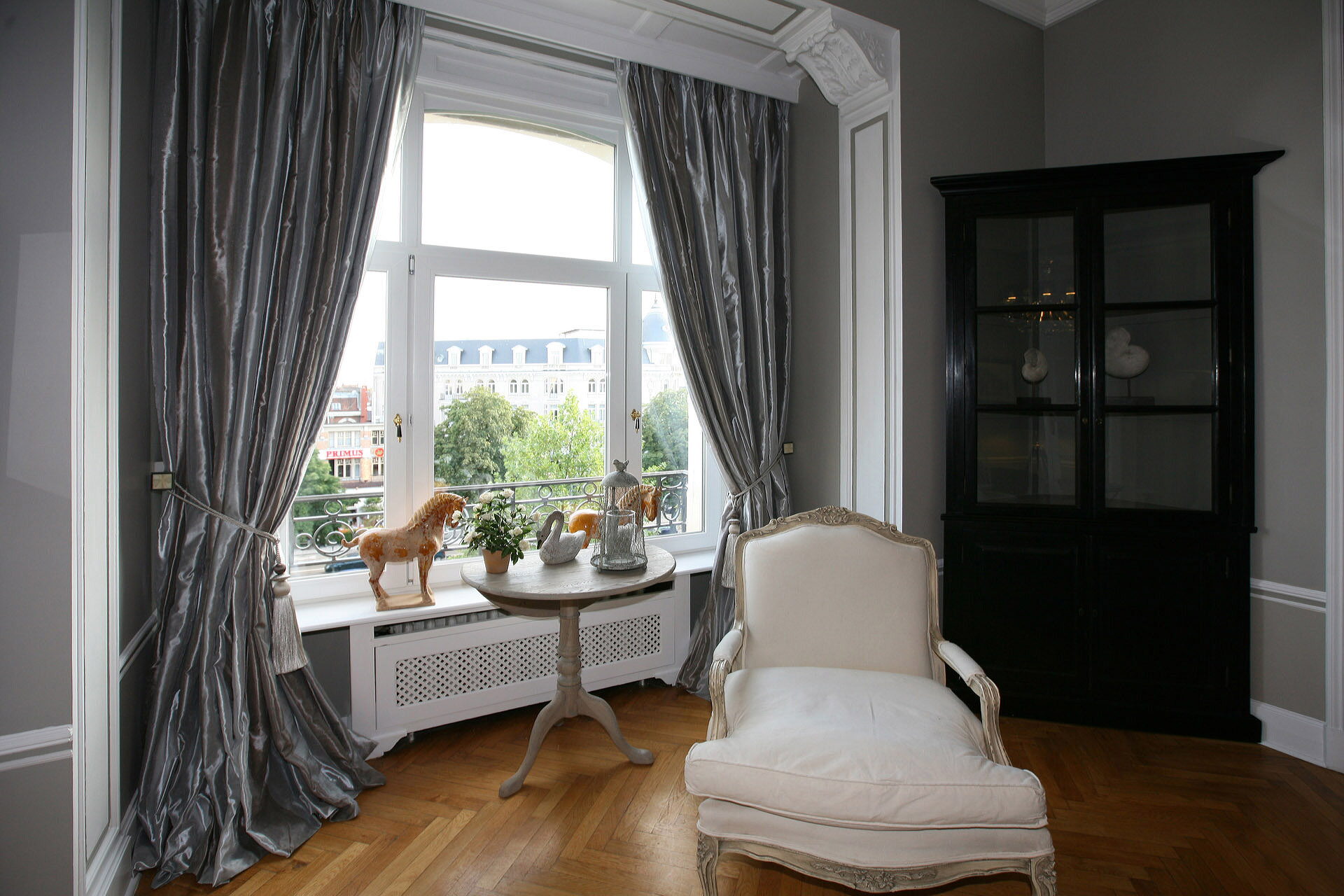
04
Darker timber, closed cabinets and an armchair by the light.
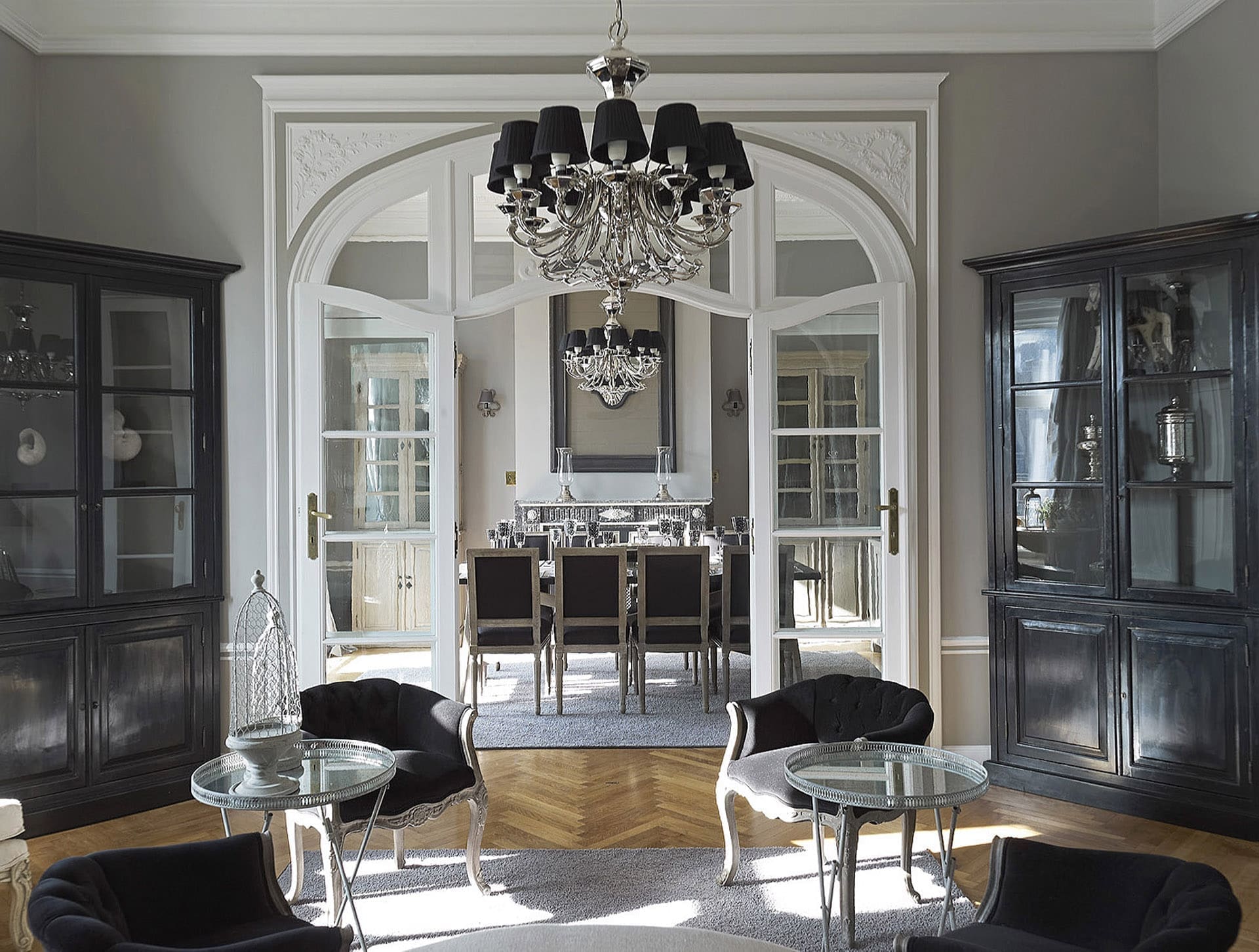
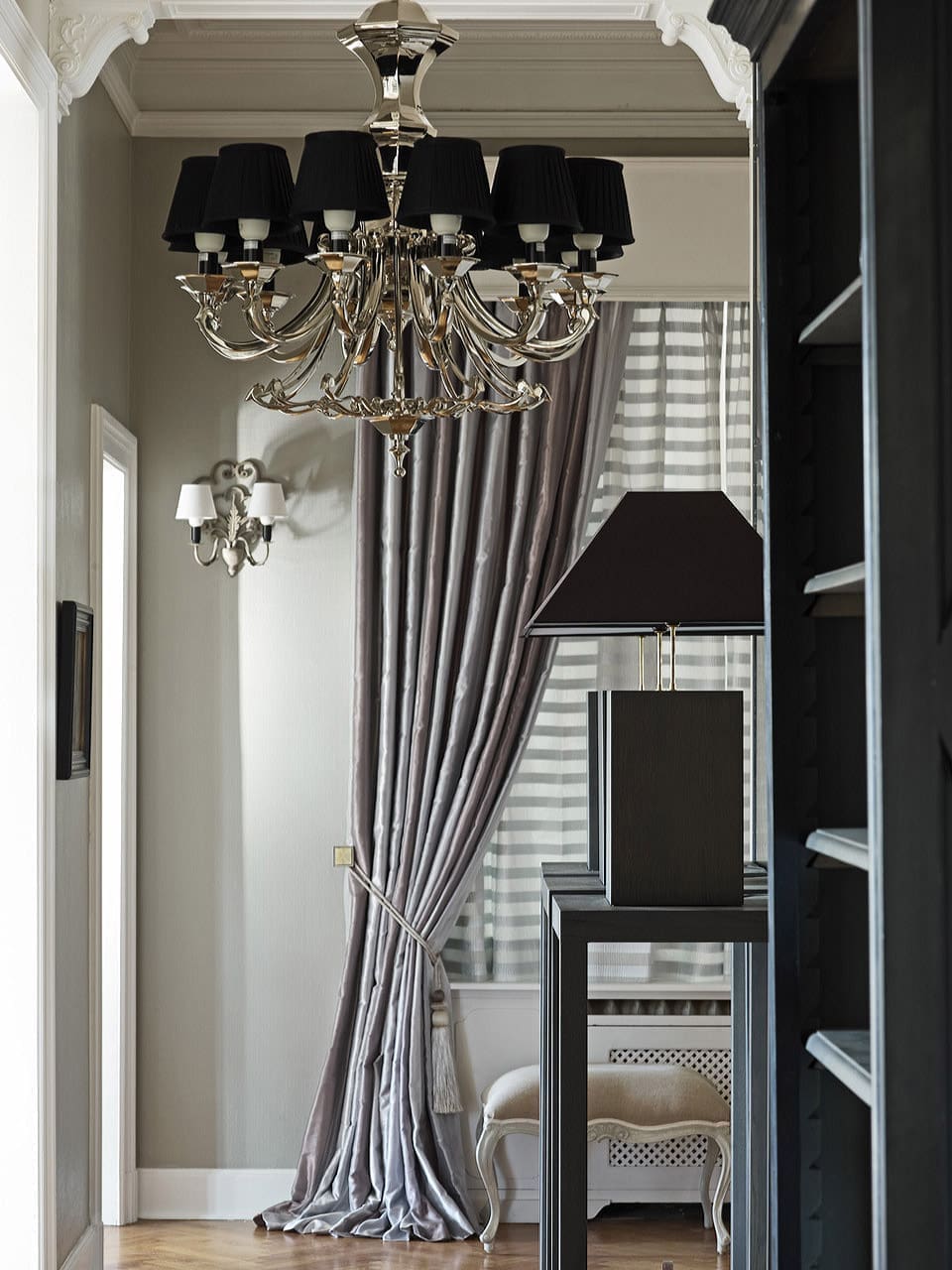
Ambassador's residence Everything on one axis. Doorway, table, chandelier and display cabinets sit on the same line. That is not chance but the starting point of the design.
From our projects
Where it goes wrong
01
When every door, skirting and cabinet gets a moulding, the whole loses its calm. Choose where the profile counts.
02
One chandelier is not enough. Wall lights, table lamps and dimmers make the difference between stately and gloomy.
03
Classic is not a waiting room. Set the seating away from the walls, around a centre.
04
Damask on the sofa, checks on the armchair and flowers on the curtain: pick one and keep the rest plain.
Classic isn't busy. It is strict, and that strictness is what gives the room its calm.
Classic or something else
Classic, country and modern overlap less than people think. This helps you choose.

How it works
01
At your home or in the showroom. We measure up and give a first guide price. That meeting costs nothing.
02
You see the symmetry and the profiles on screen before anything is made.
03
Lacquer, timber, natural stone and fabric side by side, in daylight.
04
Panelling, cabinets and mouldings are made in house, so every profile matches.
05
Our own team fits everything, including lighting, curtains and upholstery.
Why Marcottestyle
We don't just carry out orders. We question your layout, measure up and find the solution you hadn't seen. That starts at the very first meeting.
You don't get a sketch but a dossier: survey drawing, layout plan, bespoke drawings, electrical and lighting plan, material schedule and a detailed quotation per item.
Photorealistic images of your own room with the real materials. Changing a drawing costs nothing; changing during installation always costs money.
We make cabinets, panelling and mouldings ourselves. Whoever draws it knows how it is made, and whoever makes it knows the drawing.
Our own team fits, adjusts and finishes. No arguments between designer, supplier and fitter.
Introduction, survey and an honest guide price cost you nothing.
Related styles
Frequently asked questions
A fully furnished room usually lands between 15,000 and 21,000 euros. Mouldings, upholstery and lighting weigh heavier than in other styles, because there is more handwork involved. At the first meeting you receive a guide price free of charge.
Yes, but then you have to bring the profile yourself: panelling, cornices and doors with a frame. Without those elements it stays classic furniture in a plain box.
The main line yes, the detail no. We work symmetrically around one axis per room; within that there is room for variation.
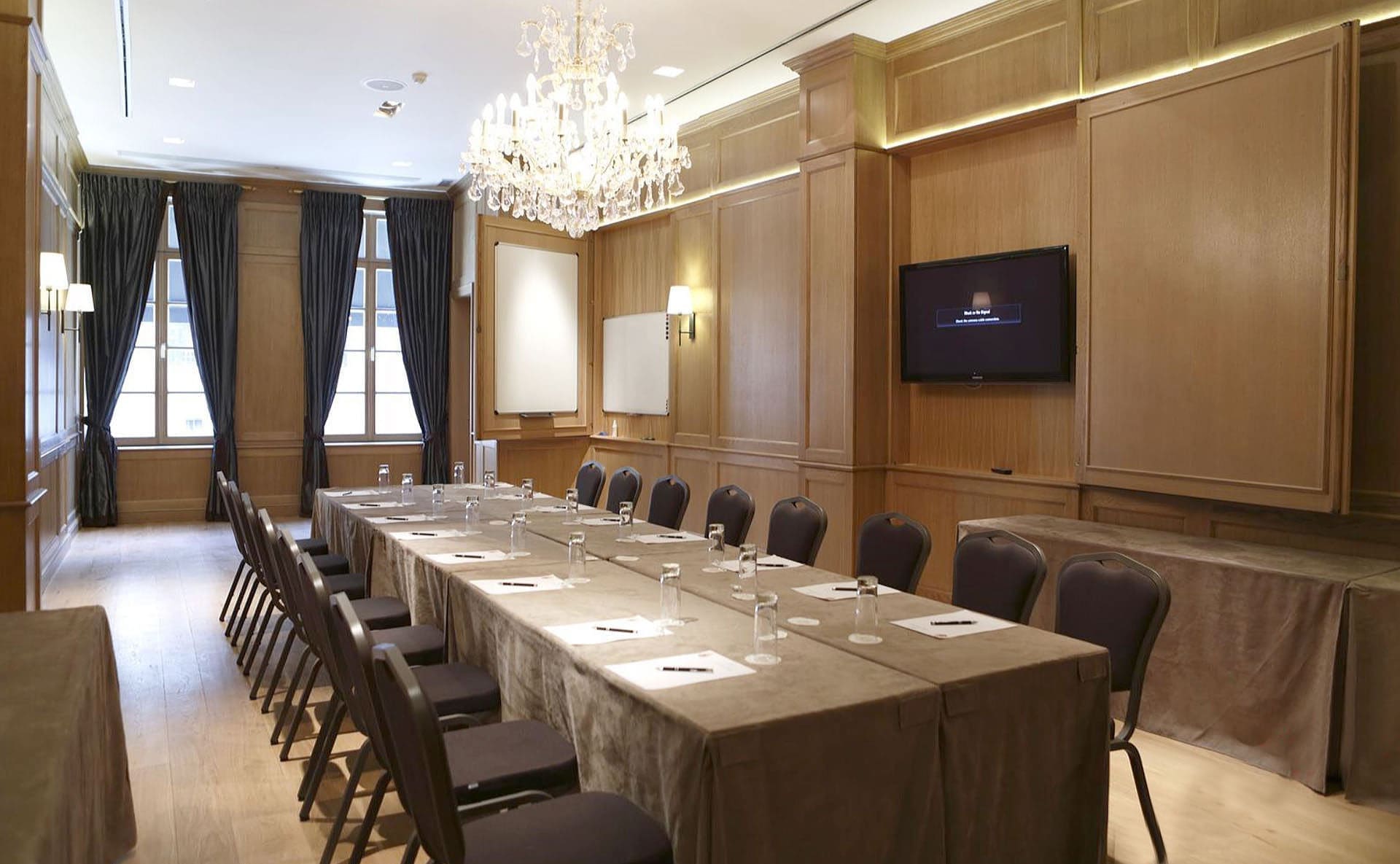
Yes. We have fitted out embassy buildings and representative offices, including boardrooms and reception areas.
In classic work that is half the job. We draw a lighting plan with chandeliers, wall lights and dimmers, rather than downlights alone.
Yes. Antique or inherited pieces are drawn into the 3D design, so you can see how they hold up beside the new work.
Yes, our work stands in Brussels, Luxembourg and France among others. We deliver and fit with our own people.
Our showrooms hold classic settings with the real materials, fabrics and profiles.
Have your classic interior drawn?
Tell us briefly what you have in mind. We reply within 24 hours.
Book a conversation
Pick where and when it suits you. We confirm within one working day.